
Background Check for Small Business in California: A Complete 2026 Guide
Background Check for Small Business California, Hiring the right employees is one of the most important—and legally sensitive—decisions a small business owner can make. In California, background checks are allowed, but they are strictly regulated. One misstep can expose your business to lawsuits, fines, or discrimination claims.
What Is a Background Check for Small Businesses in California?
A background check is a review of an applicant’s personal, criminal, financial, or employment history used to help employers make informed hiring decisions.
What questions does this section answer?
- What counts as a background check in California?
- Are background checks legal for small businesses?
- How do California rules differ from other states?
Common Types of Background Checks
Small businesses in California typically use:
- Criminal history checks
- Employment verification
- Education verification
- Identity and SSN trace
- Motor vehicle records (for driving roles)
- Reference checks
⚠️ Important: California law places tighter limits on when and how this information can be used than most states.
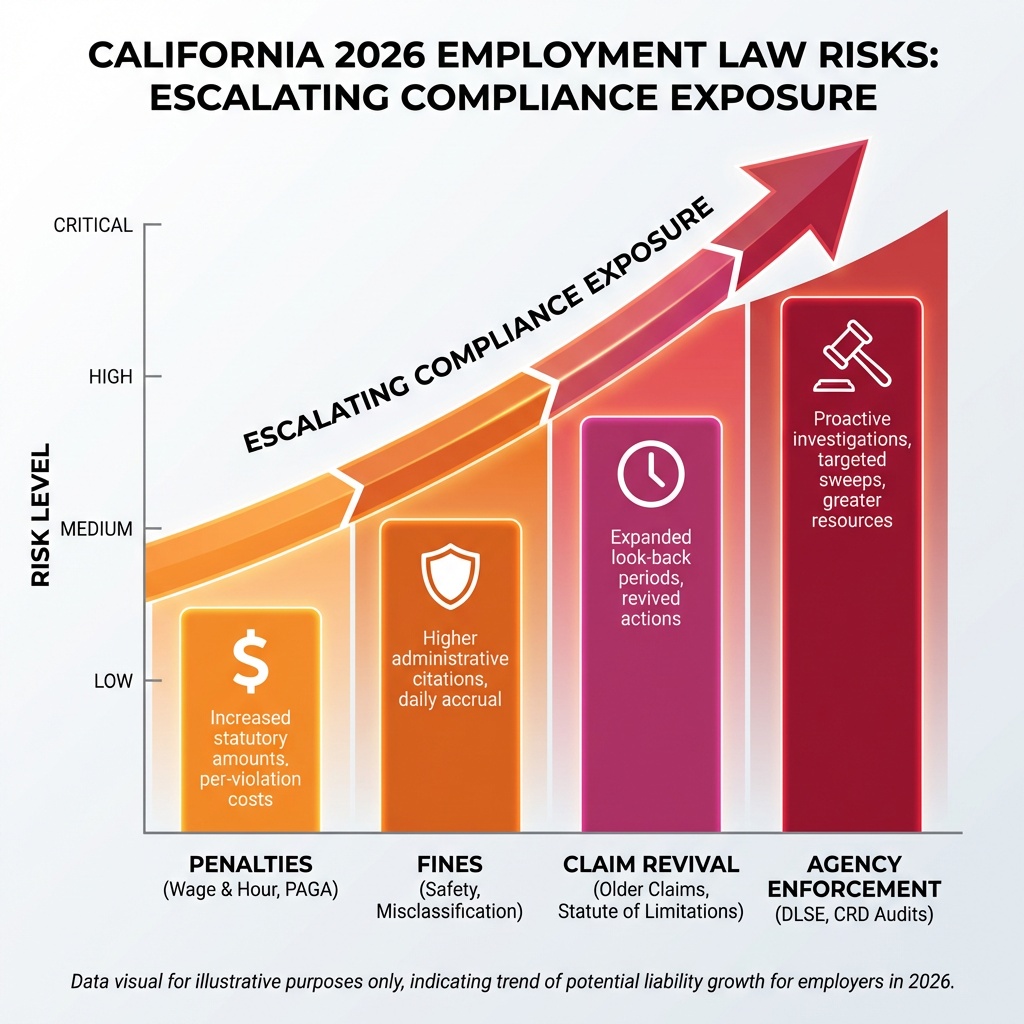
Are Background Checks Legal for Small Businesses in California?
Yes—but only if you follow state and federal compliance rules.
Key laws you must follow
- Fair Credit Reporting Act (FCRA) – federal law
- California Fair Chance Act
- California Consumer Privacy Act (CCPA)
- Ban-the-Box regulations
These laws are enforced by agencies such as the California Department of Justice and the California Civil Rights Department.
California Fair Chance Act: What Small Businesses Must Know
What questions does this section answer?
- When can I run a criminal background check?
- Can I reject a candidate for a criminal record?
- What steps are legally required?
The California Fair Chance Act prohibits employers from asking about criminal history until after a conditional job offer is made.
What you CANNOT do
- Ask about convictions on job applications
- Ask criminal history during interviews
- Run criminal background checks before an offer
What you CAN do
- Run a criminal check after a conditional offer
- Withdraw an offer only after:
- Individualized assessment
- Written notice
- Opportunity for the candidate to respond
What Shows Up on a California Background Check?
Criminal Records
- Convictions (with limitations)
- Pending cases (if legally reportable)
- Expunged or sealed records generally cannot be reported
Employment History
- Past employers
- Job titles and dates
- Eligibility for rehire (if disclosed)
Education Verification
- Degrees earned
- Institutions attended
- Graduation dates
Driving Records
- License status
- Suspensions or DUIs
- Points on record (for driving roles)
What Cannot Be Included in a California Background Check?
What questions does this section answer?
- What information is illegal to use?
- What creates discrimination risk?
California law prohibits:
- Arrests not leading to conviction
- Expunged or sealed convictions
- Juvenile records
- Medical or genetic information
- Credit reports (except limited roles)
🚫 Using prohibited data is one of the fastest ways to face legal action.
Step-by-Step: How to Run a Background Check Legally in California
1. Make a Conditional Job Offer
You must offer the job first before criminal screening.
2. Provide Written Disclosure
Disclose that a background check will be conducted—separate from other documents.
3. Obtain Written Authorization
The candidate must consent in writing.
4. Use a Compliant Screening Provider
Work with a provider that understands California-specific regulations.
5. Conduct an Individualized Assessment
Evaluate:
- Nature of the offense
- Time since conviction
- Job relevance
6. Send Pre-Adverse Action Notice (If Needed)
Include:
- Copy of the report
- Explanation of rights
Background Check Costs for Small Businesses in California
Typical pricing ranges
- Basic checks: $25–$50
- Standard employment screening: $50–$100
- Comprehensive checks: $100–$150+
💡 Pro tip: Cheap background checks often lack California compliance protections.
Best Background Check Practices for Small Businesses
What questions does this section answer?
- How do I avoid lawsuits?
- How can I hire faster but safer?
Best practices
- Apply the same screening process to all candidates
- Document every hiring decision
- Limit access to background reports
- Store reports securely
- Train hiring managers on Fair Chance rules
Choosing the Right Background Check Provider in California
What to look for
- California Fair Chance compliance
- FCRA-certified processes
- Clear adverse action workflows
- Fast turnaround times
- Transparent pricing
Red flags to avoid
- One-click “instant” criminal checks
- No individualized assessment tools
- No California-specific compliance guidance
FAQs: California Background Checks for Small Businesses
Can I run background checks on independent contractors?
Yes, but misclassification risks still apply, and consent is required.
How long do background checks take?
Most California background checks take 1–5 business days.
Can an applicant sue my business?
Yes—noncompliance can lead to:
- Civil lawsuits
- Statutory damages
- Attorney fees
- Regulatory penalties
Final Thoughts: Background Checks Done Right in California
Running background checks as a small business in California is not just about risk prevention—it’s about fair hiring, legal protection, and smart growth.
By following the Fair Chance Act, using compliant screening providers, and documenting every step, you protect both your business and your candidates.
If you’re serious about hiring safely in California, the right background check process isn’t optional—it’s essential.