
If a Florida employer, licensing agency, or regulated facility requests fingerprint screening, you may wonder: what is a level 2 background check, and how is it different from an ordinary records search? The term generally refers to a specific screening standard under Florida law, not a universal background-check category used identically across the United States.
A Level 2 screening uses fingerprints to search state and national criminal history records. It also considers whether the person has a disqualifying offense under the law governing the position, license, or facility. The agency responsible for the role ultimately determines the screening requirements and eligibility result.
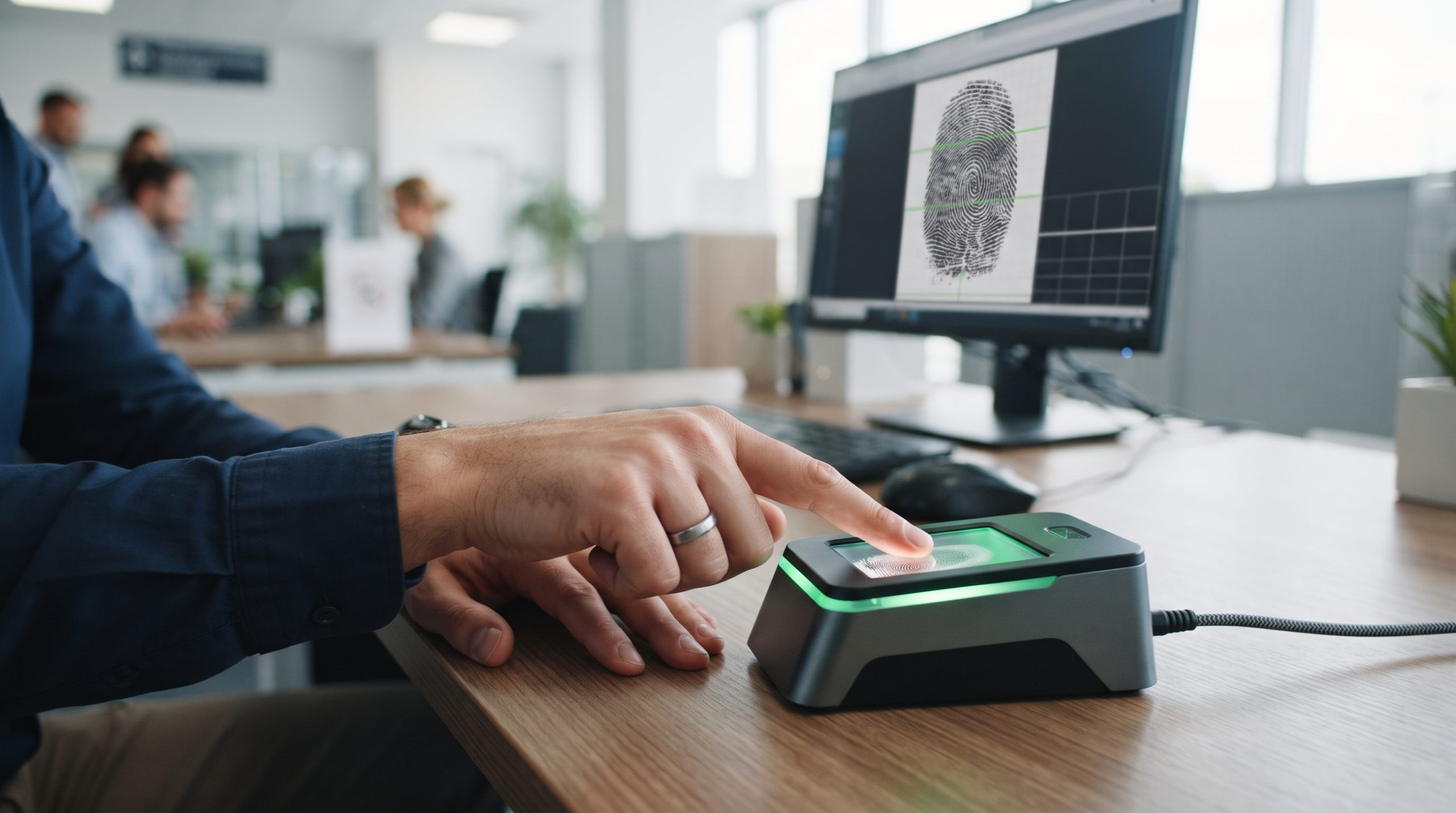
What Is a Level 2 Background Check in Florida?
The Florida Department of Law Enforcement defines Level 2 screening as a state and national fingerprint-based check that includes consideration of disqualifying offenses. It applies to employees and other individuals whom Florida law requires to be fingerprinted because they hold positions of responsibility or trust.
This screening commonly involves:
- Identity confirmation through fingerprints
- A Florida criminal history search
- A national criminal history search through the FBI
- Review against offenses listed in the applicable Florida statute
- An eligibility determination by the responsible agency
Florida’s Level 2 screening standards are established primarily under Section 435.04 of the Florida Statutes. However, other laws may impose additional requirements for particular professions or facilities.
The Three Layers of Level 2 Screening
A Level 2 check is easier to understand when it is divided into three layers. Each layer answers a different question.
| Screening Layer | What It Does | Why It Matters |
|---|---|---|
| Fingerprint identification | Connects the submitted fingerprints to criminal history information associated with that identity | Reduces reliance on name matching alone |
| State and national record searches | Searches relevant Florida and FBI criminal history repositories | Provides broader coverage than a Florida-only name search |
| Eligibility review | Compares returned information with statutory disqualifying offenses | Determines whether the person meets the applicable screening standard |
The fingerprint search does not, by itself, decide whether someone is eligible. The designated agency reviews the information according to the law governing the position or license.
Level 1 and Level 2 Screening Are Not the Same
People researching what is a level 2 background check often assume that “Level 2” simply means a more detailed commercial report. In Florida, the distinction is more specific.
| Level 1 Screening | Level 2 Screening |
|---|---|
| Generally name-based | Fingerprint-based |
| Focuses primarily on Florida records | Uses Florida and national criminal history records |
| Does not automatically include an FBI fingerprint search | Includes a national fingerprint-based search |
| Used when the applicable law requires Level 1 screening | Used for designated positions of responsibility or trust |
A Level 1 search and a Level 2 screening are therefore not interchangeable. The correct screening depends on the law, agency, profession, and purpose involved.
How the Level 2 Screening Process Works
The process is not simply a matter of typing a name into a public-record search. Applicants usually need instructions from the requesting employer, licensing body, or government agency.
1. Confirm the responsible agency
The applicant first identifies which agency regulates the position or license. This matters because agencies may use different submission processes, identification numbers, forms, and eligibility standards.
2. Register with an approved provider
Applicants may be directed to an approved Livescan provider. The provider electronically captures fingerprints and submits them through the authorized screening channel.
3. Provide the required information
The applicant may need government-issued identification, an agency or employer code, and other identifying details. Requirements should be confirmed before the fingerprinting appointment.
4. Submit fingerprints
The Livescan provider captures the fingerprints electronically. FDLE explains that electronic fingerprint submission is required for state and national criminal history record checks involving the FBI.
5. Wait for agency review
When asking what is a level 2 background check, it is important to separate the record search from the final review. FDLE and the FBI provide criminal history information, but the relevant agency evaluates the results under the applicable law.
6. Address any eligibility issue
If a screening returns potentially disqualifying information, the person may receive instructions about documentation, corrections, or an exemption process. An exemption is not automatic, and eligibility depends on the governing statute and reviewing agency.
Who May Need Level 2 Screening?
Florida law requires Level 2 screening for certain regulated roles. Examples may include people working in licensed healthcare settings, care-provider environments, and other positions involving vulnerable populations or significant trust.
Requirements vary widely. A job title alone does not establish whether Level 2 screening is required. The employer or licensing agency should identify:
- The law authorizing the screening
- The agency receiving the fingerprints
- The approved submission route
- The offenses relevant to eligibility
- Whether rescreening is required
- Whether an exemption process is available
Someone applying for a regulated role should follow the requesting agency’s instructions instead of ordering an unrelated report independently.
What Can Appear in the Screening?
Knowing what is a level 2 background check also requires understanding its limits. A fingerprint-based search can return criminal history information associated with the submitted fingerprints, but it does not guarantee that every relevant record is complete or current.
Returned information may include:
- Arrest information supported by fingerprints
- Charges and available case details
- Court dispositions received by the repository
- State and national criminal history information
- Records requiring additional review
- Information relevant to statutory disqualification
An arrest does not automatically establish guilt, and a record match does not always produce disqualification. The disposition, applicable statute, accuracy of the record, and reviewing agency’s rules all matter.
Check the Record Before Relying on It
Applicants should review identifying details and available case information carefully. Names, dates, charges, dispositions, and jurisdictions should correspond to the correct person and case.
If information appears incomplete or incorrect, contact the agency that supplied or maintains the record. Do not assume that the fingerprinting provider can edit criminal history data or change an eligibility determination.
Can ClearCheck Provide a Level 2 Screening?
A general informational person report from ClearCheck is not a Florida Level 2 screening and cannot replace one. ClearCheck is not a consumer reporting agency and does not provide FCRA-regulated employment, tenant, credit, or insurance screening.
This distinction is essential when researching what is a level 2 background check. A Level 2 screening must follow the authorized fingerprint process required by the relevant Florida agency. A general people-search report uses a different process and serves a different purpose.
ClearCheck reports may contain informational data derived from public and third-party sources. They should not be presented as fingerprint results, agency eligibility decisions, or substitutes for legally required screening.
Conclusion
Clarifying what is a level 2 background check comes down to recognizing it as a specialized, fingerprint-based criminal history review required under Florida law. The designated state agency evaluates returned state and national records against statutory disqualification criteria to determine eligibility.
Always confirm the exact submission procedure with the requesting employer or licensing authority. For lawful, non-regulated research, ClearCheck provides quick access to public and third-party databases. Note that ClearCheck reports are strictly informational and cannot be used for employment, tenant screening, credit, insurance, or other FCRA-regulated decisions.